Modern Professional Header (Mobile Fixes)

Surgical Wounds

Start Your Path to Healing

Please send us a question, and we will respond to you shortly. 

Surgical Wounds
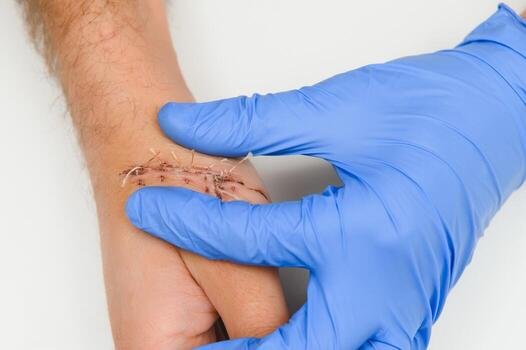
Surgical wounds vary in size and depth, depending on the type and extent of the surgery or procedure. They typically pass through several stages of healing, starting with the formation of a protective blood clot, followed by tissue regeneration, and finally the remodeling of the skin and underlying tissues. Proper wound care, including cleaning, dressing, and monitoring, supports these natural healing processes and minimizes the risk of complications. However, surgical wounds can sometimes face challenges such as delayed healing, infections, or the reopening of the wound (dehiscence). Factors like the patient’s overall health, the location of the wound, and the type of surgery all play a role in the healing process.

Treatment Steps
Treatment Steps
Frequently Asked Questions

Do surgical wounds heal better covered or uncovered?

Wounds need to be covered so that they can heal properly and prevent infection, once healed no dressings are needed.

How long should a surgical wound take to heal?

In most cases, a surgical incision heals in about two weeks. More complex surgical incisions will take longer to heal. Deep wounds can continue to heal on the inside for up to 2 years even when the top layers of skin have closed sucessfully.

Should surgical wounds be kept moist or dry?

Immediately after surgery the wound needs to be kept dry. When complications occur it can become wet and soggy and will need advanced treatments to get it back on to a healing journey.

Wound Specialist
💰 Insurance?
📅 Book Visit
🩹 Services
🚨 Infection