Vascular Wounds
Start Your Path to Healing
Please send us a question, and we will respond to you shortly.
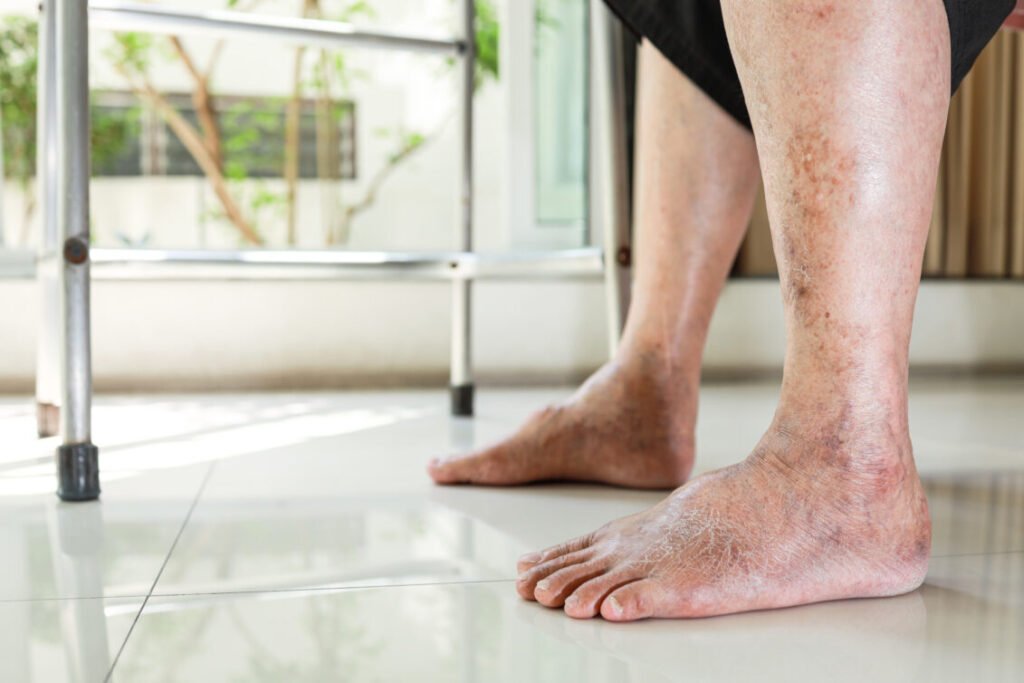
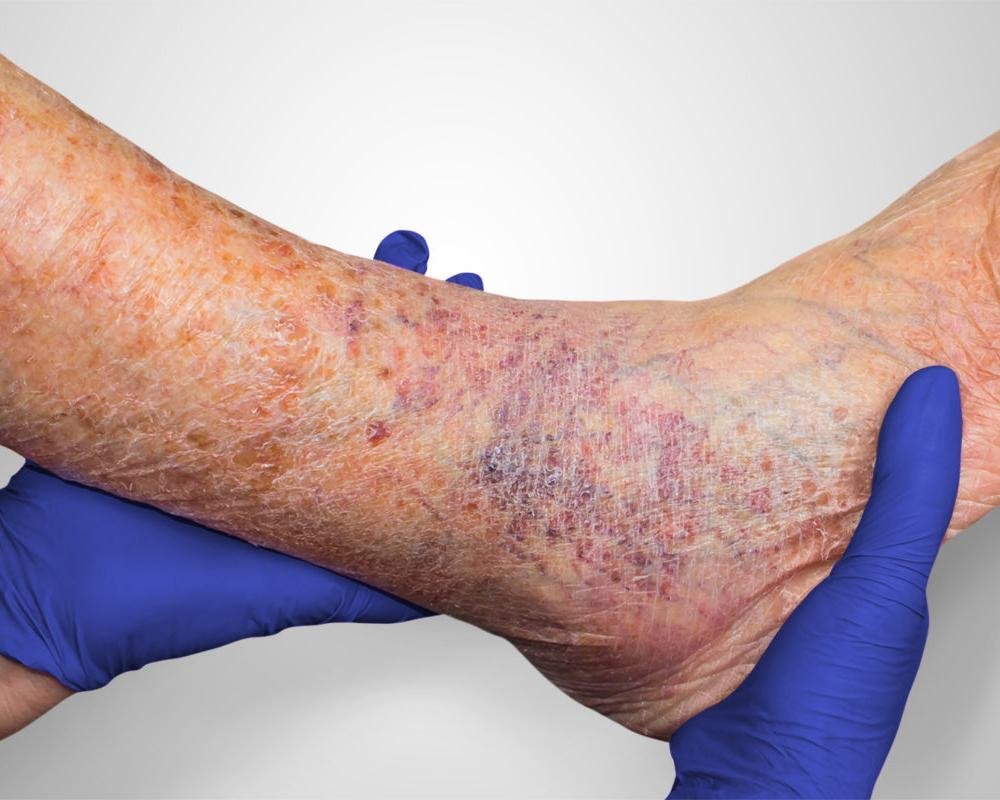
A vascular wound that develops due to poor blood circulation, often in the lower legs and feet. When blood flow is restricted, tissues don’t receive enough oxygen, preventing proper healing. Venous wound, the most common type of vascular wound, result from circulatory problems that cause blood to pool in the veins. Symptoms include skin changes such as thinning, itching, or discoloration, as well as pain, swelling, and a foul-smelling discharge. These wounds may form after minor injuries or due to weakened skin from high vein pressure.
Arterial ulcers
Caused by poor arterial blood flow, which reduces oxygen and nutrients reaching the wound. They are often painful, deep, and have a “punched-out” appearance, typically located on pressure points like the toes, heel, or foot.
Venous ulcers
The most common type, often occurring around the ankle or “gaiter area” of the calf. They are caused by sustained high pressure in the veins (venous hypertension), which can lead to pooling blood, swelling, and skin changes.
Vascular wound typically develop due to issues that impair blood flow in the legs, preventing proper circulation and healing.
- Damaged valves in the leg veins
- Varicose veins
- Chronic venous insufficiency
- Previous leg injuries
- Smoking
- Obesity
- Blood Clots
- Phlebitis, a painful swelling of the veins
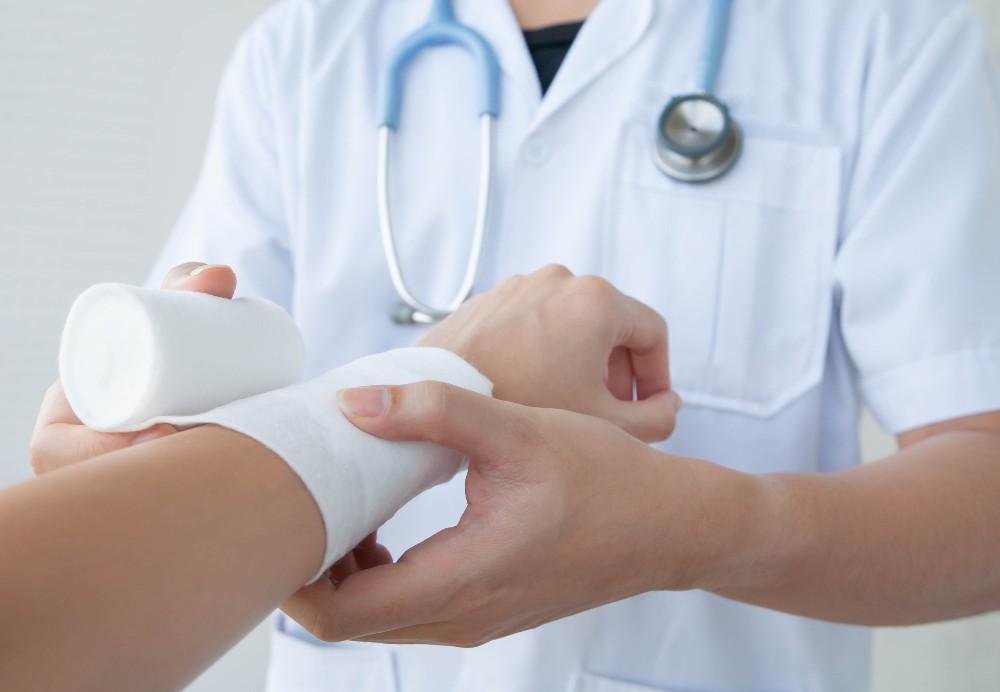
Wearing compression stockings or bandages to help manage swelling and promote blood flow
Elevating the legs above heart level to reduce pressure in the veins and improve circulation.
- Stage 1 – Elevating the legs above heart level to reduce pressure in the veins and improve circulation.
- Stage 2 – Wearing compression stockings or bandages to help manage swelling and promote blood flow.
- Stage 3 – Daily walking or exercise to encourage circulation and reduce vein pressure.
- Stage 4 – Advanced wound care therapies tailored to patients with additional treatment needs.